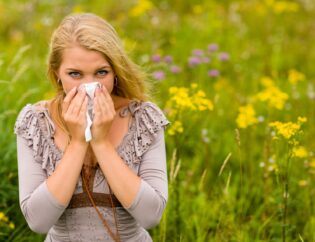
People suffering from these allergies have to remain careful during the spring season and avoid pollen as much as they can. Although it might not be possible to avoid these allergens completely, it is possible to significantly reduce your encounter with them.
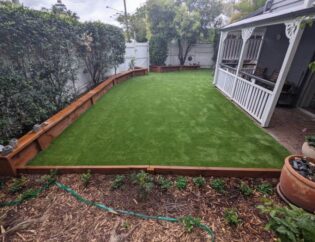
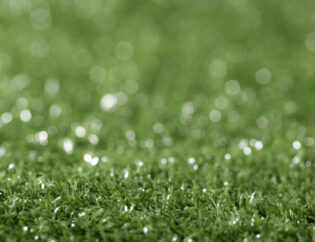
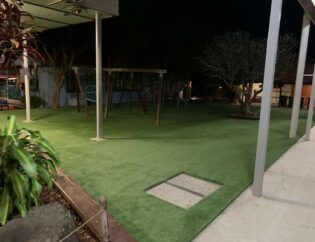
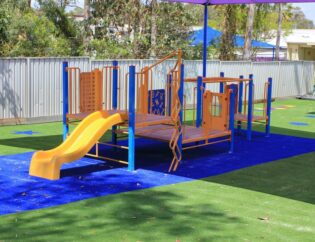
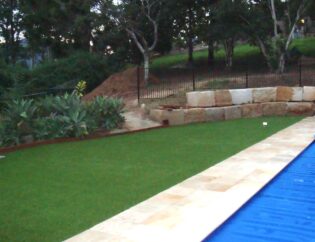
The best way to do so is by keeping your home safe for you, your family, and your pets by installing artificial grass instead of keeping a regular grassy lawn. Artificial turfs are now so realistic that they often look even better than real grass! Plus, they come with some great added benefits, especially for people who suffer from allergies.
Instead of living in a bubble of isolation and being afraid to go out to your lawn to enjoy the weather, installing artificial turf around the house can help you solve this problem.
The Benefits of Artificial Turf
Installing artificial turfs can have a positive impact on your grass allergies. Firstly, the material used to make these turfs is allergen-free. So, you are safe to walk and sit on these turfs without any fear. Installing artificial grass at the entry points of your house can ensure that no pollen enters your home from air conditioning vents, doors, and windows. Thus, whenever you come home from one of these points, you are likely to leave the pollen outside. This can help your allergy symptoms become less frequent.
Moreover, these artificial lawns do not produce any pollen themselves. It will reduce the chances of this pollen becoming airborne and entering your nose. Another major benefit of synthetic grass is that you are not required to mow or trim this grass. Mowing usually releases ground dust and other contaminants from the ground into the air, which can further trigger your allergies.
You are also not required to use any fertilisers or pesticides to maintain your lawns. These chemicals can aggravate your immune system, which you need to fight off your allergies.
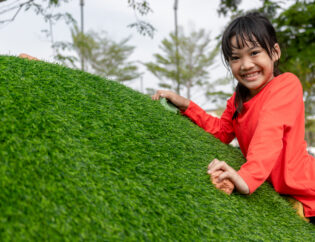
Artificial grass is also free from any lead or heavy metals that can be toxic for anyone who interacts with them. Their non-toxic and hypoallergenic properties are also ideal for your pets that like to play around outside. Since your pets can also develop grass allergies, it is better to keep them safe by using grass alternatives. They also prevent your pets from bringing pollen into the house.
While there is no miracle cure for hay fever, but Turf Green can help you install exceptional quality artificial grass to prevent your allergies from aggravating and keep your environment safe for all. You can call us at (07) 3823 2003 – any time between 8:30 am and 4 pm, Monday to Friday, and schedule a visit to discuss your needs.
Next Step
Frequently Asked Questions About Artificial Grass for Grass Allergies
Is artificial grass hypoallergenic?
While designed to be, rarely individuals may have sensitivities to the rubber infill or materials. Talk to us about the specifics of our products so we can guide you on the best artificial grass for your allergy needs.
What about pollen from other plants?
Artificial grass doesn’t produce pollen itself, but pollen from surrounding trees/plants can land on it. However, it is much easier to wash it off compared to having to clean or mow a natural lawn.
How do I maintain it to keep it allergy-free?
Regular rinsing with water removes accumulated dust, pollen, and pet dander. Brushing the fibres also keeps the turf clean and boosts airflow.
Is Turf Green artificial grass safe for kids and pets?
Yes. It’s non-toxic and prevents exposure to lawn chemicals, making it ideal for sensitive people and pets.
What if it gets dusty?
Some areas get dustier than others, especially if you live next to a busy street. However, you can use the same strategy as you would to remove pollen, and simply clean the artificial grass more regularly.