Artificial grass is increasingly becoming a practical solution for investment property owners, and for good reason.
If you own a rental property in Brisbane, you’ll know that lawn maintenance is one of the quiet costs that adds up over time. Disputes over mowing, patchy grass that photos poorly, and tenants who simply don’t maintain outdoor areas are common frustrations for landlords across SE Queensland. This blog post will cover why landlords are choosing ‘fake grass’ as the stronger option for return on investment (ROI) in 2026.
Here’s what you need to know before making the switch.
- Artificial grass eliminates the many maintenance needs of natural grass, appealing to both landlords and tenants.
- Year-round greenery and good drainage can increase the value of your property.
- The upfront cost is higher, but savings on water, especially in hot Queensland, can make a strong ROI.
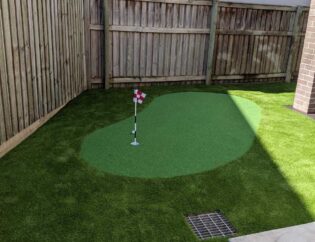
- Artificial turf is fantastic for small areas like down the sides of a house or the courtyard of a townhouse.
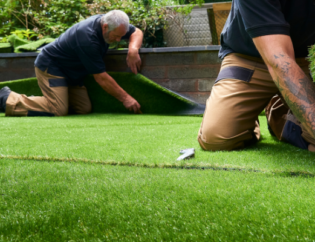
- Turf Green has years of experience installing artificial turf, so make sure to consult with us if you’re unsure which option is best for your rental property.
Why are landlords choosing artificial grass?
The appeal for investment property owners comes down to a few straightforward realities.
Natural lawns require ongoing effort to look good. In Queensland’s climate, that means regular mowing, watering through dry spells, and periodic fertilising just to keep things presentable. Tenants vary considerably in how much attention they give to outdoor areas, which means lawns can deteriorate quickly between tenancies, leaving you with restorative costs before you can relist the property.
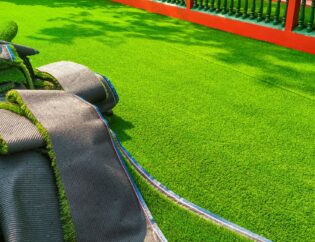
Artificial grass eliminates most of that. Once it’s installed correctly, it looks consistent year-round, requires minimal upkeep, and holds up to the kind of use a rental property sees. For a landlord, that means fewer end-of-lease headaches and a better-presented property in listing photos.
Does artificial grass appeal to tenants?
Yes, and this is one of the strongest arguments for the investment. A well-presented, low-maintenance outdoor area is genuinely attractive to tenants, particularly families with young children, pet owners, and busy professionals who want an outdoor space they can enjoy without the weekend chore of mowing.
In a competitive rental market, presentation matters. A property with a clean, green, year-round lawn photographs better and stands out in listings. Given that rental vacancies cost landlords money with every week they run, anything that helps a property attract a quality tenant faster is worth considering.
What about the upfront cost?
The upfront cost of artificial grass is higher than simply laying lawn seed or rolls of natural turf, and that’s worth acknowledging. However, when you calculate the ongoing savings across the life of the product, the picture changes.
Natural lawns in Queensland require watering, which adds to utility costs if that falls on the landlord. They may require professional mowing between tenancies or in common areas. They can suffer damage from drought, heavy rain, or neglect and need to be replaced. Quality artificial turf, by contrast, carries a lifespan of a decade or more with minimal ongoing cost.
For landlords who own multiple properties, the cumulative savings on maintenance and remediation costs across a portfolio is meaningful.
Council and body corporate considerations
Before installing artificial grass at a rental property, it’s worth checking whether there are any local council guidelines or body corporate rules that apply, particularly for townhouses, units, or strata properties. In Queensland, most residential installations proceed without issue, but it pays to check if you’re in a complex with a body corporate that has specific rules about exterior modifications.
At Turf Green, we’re familiar with the landscape in Brisbane and SE Queensland and can advise you on what to expect. If you’re unsure, your property manager should also be able to help clarify what’s required.
What areas make the most sense to turf?
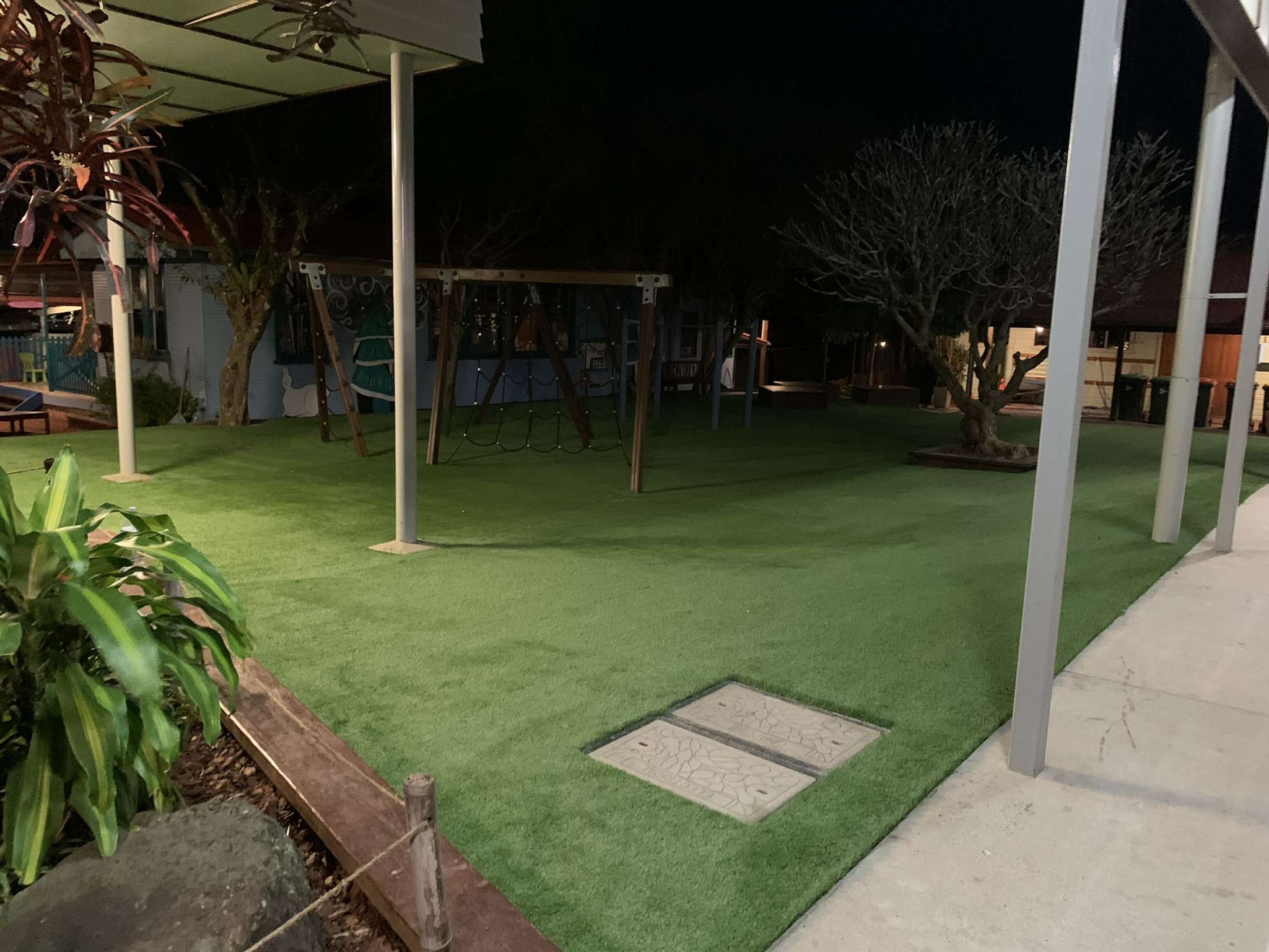
For rental properties, the areas that tend to benefit most are high-traffic zones that tenants frequently use and that are visible in listing photos. Backyards, courtyards, side passages, and front lawns all work well. If the property has a small outdoor area, such as a courtyard in a townhouse, artificial grass can transform what might otherwise read as a dead space into a usable and attractive outdoor area that adds to the property’s appeal.
Properties near the coast or in areas prone to sandy soil or salt air can also benefit significantly, as natural grass tends to struggle in those conditions.
Is it worth it for a property you plan to sell?
If you’re holding the property with an eventual sale in mind, artificial grass can be a selling point rather than a detraction. Buyers who are weighing up a property they’ll live in or rent out often appreciate the reduced maintenance burden. A well-presented outdoor area also helps at open homes.
That said, individual buyer preferences vary. What tends to matter most is the quality of the installation. A professionally installed, realistic-looking product adds appeal. A cheap or poorly laid alternative can have the opposite effect.
Where to start
If you’re considering artificial grass for one or more investment properties in Brisbane, it’s worth having a conversation with someone who understands both the product and the local market. At Turf Green, we work with residential landlords, property managers, and developers across Brisbane, the Gold Coast, Sunshine Coast, and the broader SE Queensland region.
We can provide a competitive quote based on your specific property and help you choose the right product for the use and budget. You can also use our grass cost calculator to get an early sense of what’s involved.
For more on the installation process and product options, visit our artificial grass and artificial grass maintenance pages.
Contact Turf Green to arrange a free consultation for your investment property.
Frequently Asked Questions
Does rain drain through artificial grass?
Yes, rain drains efficiently through artificial grass. Synthetic turf is specifically designed with a perforated backing or a highly permeable mesh that allows water to pass straight through, so don’t worry about any flooding or mud issues for your rental property.
Can weeds grow through artificial grass?
Weeds cannot physically grow through the solid backing of high-quality artificial grass. However, they might appear around the edges. This is much less maintenance than usual grass.
Can dogs use artificial grass?
If you’re concerned about appealing to tenants with pets, high-quality synthetic turf is non-toxic, durable, and features a permeable backing that allows liquid to drain into the soil. Tenants can simply hose the grass down occasionally and pick up any solids like they normally would.
How much does it cost to install artificial grass for a rental property in Australia?
It typically costs between $75 and $160 per square metre, supplied and installed. Costs can change based on the surface area, the type of grass you choose, and if further labour is needed, such as if the zone is difficult to reach.