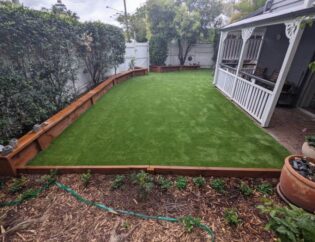
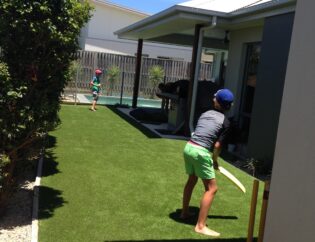
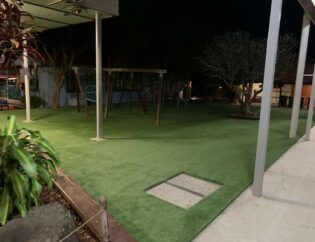
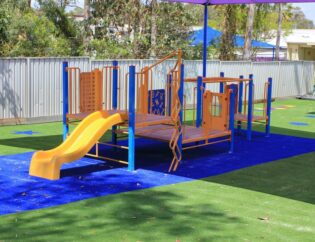
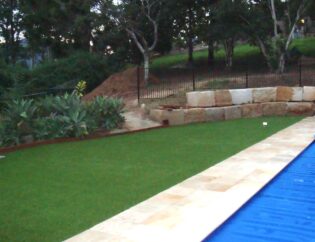
However, even artificial grass requires a little care to keep its pristine shape.
Why Artificial Turf Needs More Care During the Storm Season?
Tropical rain season is fast approaching in South East Queensland. If not installed properly, heavy rain can damage your garden’s artificial turf. To prevent this from happening, you need to make sure there is no standing water or areas that contain excessive moisture for long. Fortunately, with a proper drainage system, you can prevent the heavy damage rainfall can cause to the turf installed in your garden.
There are several types of turf drainage systems available on the market. Each one has its features. However, all of them are designed to accomplish one goal, which is to prevent turf flooding.
Poor Drainage System Issues:
With a rise in average rainfall, a proper turf drainage system has become more critical than ever before. There are various problems a flawed drainage system can cause, including:
- Formation of puddles after heavy rain:
Heavy rainfall can result in the formation of puddles. Standing water serves as an excellent breeding ground for bacteria, mosquitoes, and other insects. Excessive moisture can cause mould and mildew to grow. This means, without proper drainage, not only will your yard smell terrible, but it also loses its visual appeal.
- Damage to the surface of the turf:
Turf flooding can damage its surface. Mould and mildew need a damp environment to grow, and excessive moisture creates the perfect environment for these organisms to thrive. The bacteria and mould growing in your turf can lead to health problems and cause the turf surface to become slippery. A slimy surface can cause you to slip and get injured.
- Foundation damage:
Water, when left standing against your house, can weaken its foundation. Flooding can cause excessive water to penetrate the foundation of your house. This may result in upheavals and shifts that compromise the structural strength of the building.
Ensuring proper turf drainage:
- Drainage system for hard surfaces:
To ensure adequate turf drainage within hard or paved surfaces, you need to have a 1 per cent minimum slope. You need to prepare the turf base with a slight slope. This will prevent the formation of puddles that cause damage to your property. Once a good base has been prepared, the turf will stay good as new for a long time.
- Drainage system for organic surfaces:
Installing artificial turf over soil or gravel ground isn’t much different. To ensure efficient drainage, you need a 2 per cent minimum slope. Before installing turf on organic ground, you need to check its composition.
For a clay surface, you need a minimum of 15cm of the compacted gravel layer. An organic surface with a suitable drain system only needs a 7cm gravel layer.
Why Choose Turf Green
Our team at Turf Green are experienced with creating the perfect environment for your new turf, no matter the season. We will ensure your project is completed to the highest standards and will not cause any drainage problems.
Turf Green provides you with the best value for the money with our quality artificial turf installations. Call us on (07) 3823 2003 and get in touch with the turf experts in Brisbane today.
Next Step
Frequently Asked Questions
Why is my synthetic turf flooding or pooling water?
The most common cause is a poor sub-base, such as using dirt instead of crushed gravel or lack of proper base compaction. It could also be due to inadequate site grading, where there is no slope to guide water away from the area.
What causes smelly turf or odours?
If pet waste or organic debris builds up, it can block the perforated holes. Without proper drainage, this trapped organic waste decomposes, leading to bad smells. Make sure to pick up after pets and hose down the grass occasionally.
How does rain affect the infill?
Heavy rain can wash away the infill materials (typically silica sand) over time, requiring you to top up the infill every 2–3 years to maintain the turf structure.
Can synthetic turf be installed on concrete?
Yes, but because concrete is non-porous, you must ensure the concrete is sloped for water to run off, or install a special drainage layer or drainage panels underneath the turf.
Will my turf grow mould?
While the turf itself is designed to not hold moisture, consistent standing water from poor drainage could lead to mould and mildew.